Home to some of Italy’s most important art collections—from paintings and sculptures to tapestries and classical antiquities—the Vatican Museums (Musei Vaticani) are among…
The enormous St. Peter’s Basilica (Basilica di San Pietro) dominates Vatican City, and its dome can be seen from all over Rome. Built on the site of St. Peter’s crucifixion, it’s the epicenter…
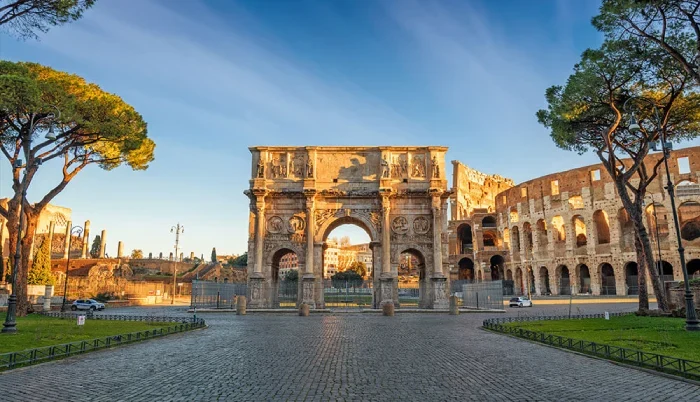
The Colosseum has been a symbol of Rome since 80 AD, and it remains a top monument in Italy today. Some 50,000 spectators once gathered in the amphitheater’s tiered..
A sprawling mass of ruins, the Roman Forum (Foro Romano) was once the center of the Roman Empire, with temples, courts, and basilicas in full swing until falling into ruin around…
Astonishingly intact, the Pantheon has been wowing visitors to Rome for almost two millennia, and its massive dome is still the largest of its kind built out of unreinforced concrete in the world…
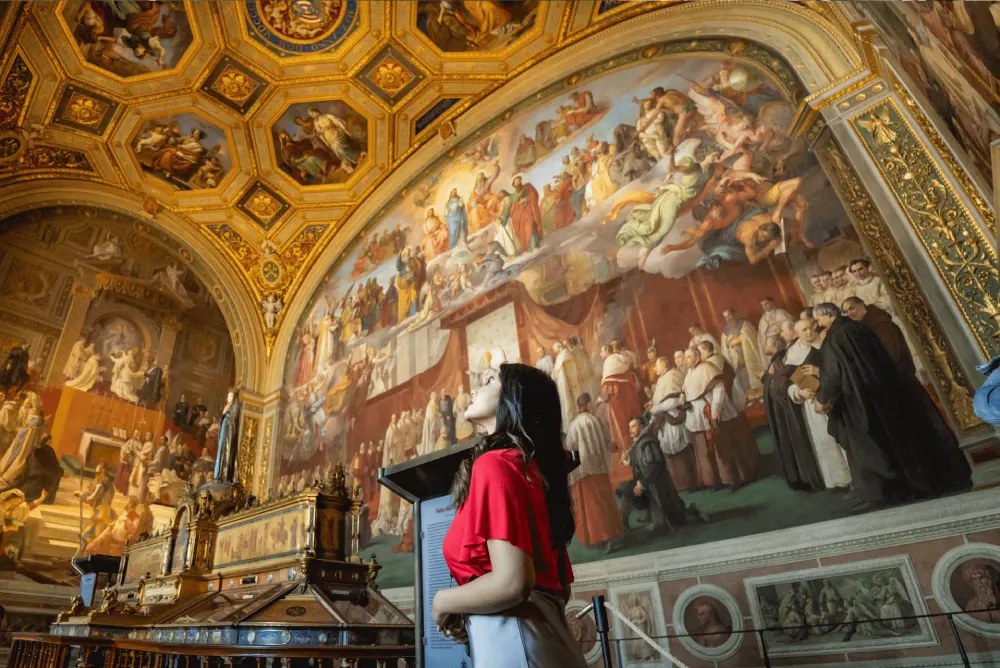
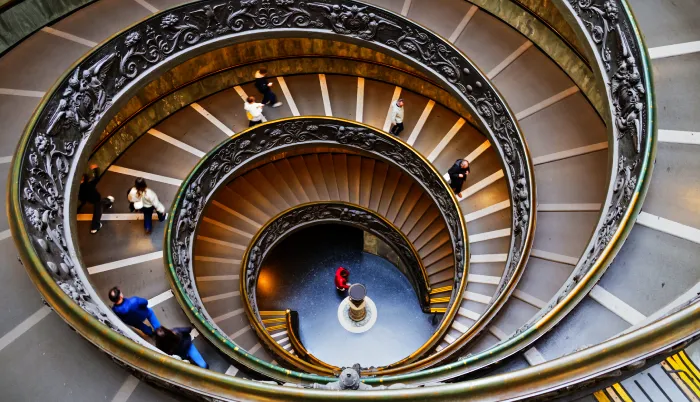
Home to some of Italy’s most important art collections—from paintings and sculptures to tapestries and classical antiquities—the Vatican Museums (Musei Vaticani) are among the country’s top attractions. Explore the Pinacoteca, Egyptian Museum, Gallery of Tapestries, Pius-Clementine Museum, and Gallery of Maps, before admiring the crown jewels in the Sistine Chapel (Cappella Sistina), famed for Michelangelo’s ceiling and The Last Judgment.
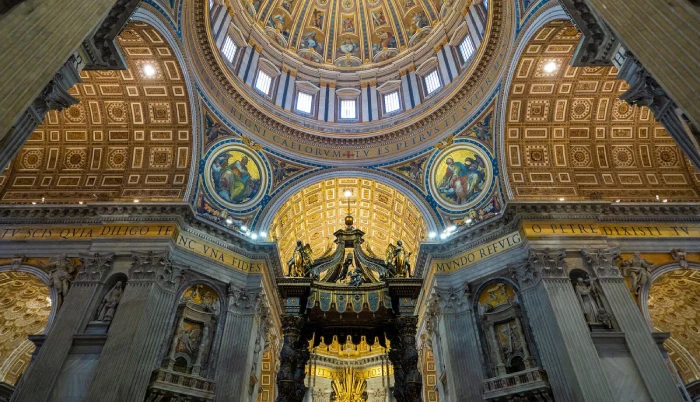
The enormous St. Peter’s Basilica (Basilica di San Pietro) dominates Vatican City, and its dome can be seen from all over Rome. Built on the site of St. Peter’s crucifixion, it’s the epicenter of the Catholic Church and sits atop many papal tombs. The lavishly adorned basilica is the largest church in Italy, and it’s also a museum full of priceless works of art—including Michelangelo’s sublime Pietà and Bernini’s bronze baldachin on the high altar.
The ticket is valid only for the day and time selected, and you can stay inside until the museums close. If the time of entrance is not the same as the time on the ticket, entrance to museums will not be possible
A sprawling mass of ruins, the Roman Forum (Foro Romano) was once the center of the Roman Empire, with temples, courts, and basilicas in full swing until falling into ruin around AD 410. Abandoned for centuries and plundered for its marble, the site can be a challenge to interpret without an archaeologist guide. Despite its deterioration, this archaeological treasure just steps from the Colosseum is one of the most important attractions in Rome.
Astonishingly intact, the Pantheon has been wowing visitors to Rome for almost two millennia, and its massive dome is still the largest of its kind built out of unreinforced concrete in the world. Stand below the central oculus to watch clouds float above, then check out the highlights inside this temple-turned-church, including the ornate tombs of Renaissance artist Raphael and the first kings of unified Italy.
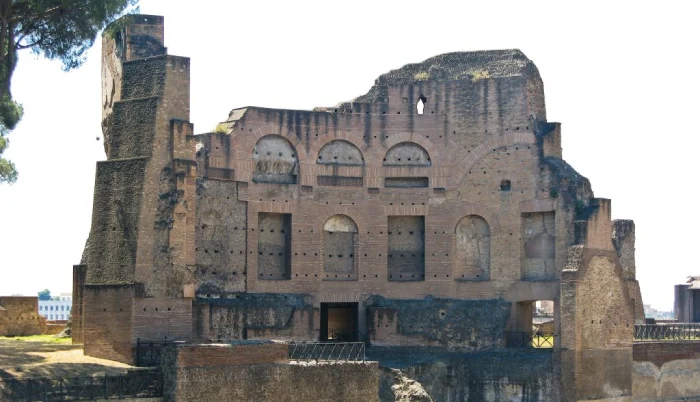
Of Rome’s seven legendary hills, Palatine Hill (Palatino) is the most important in the capital’s history and lore: It is said that Romulus and Remus founded Rome on this hilltop, and many of the city’s most important archaeological sites dating from ancient times are located here. These include lavish imperial residences, such as the House of Augustus (Casa di Augustus), and later additions, including the 16th-century Farnese Gardens offering beautiful views over the city.